Ross R. Mullis, Business Manager office@ibew177.org



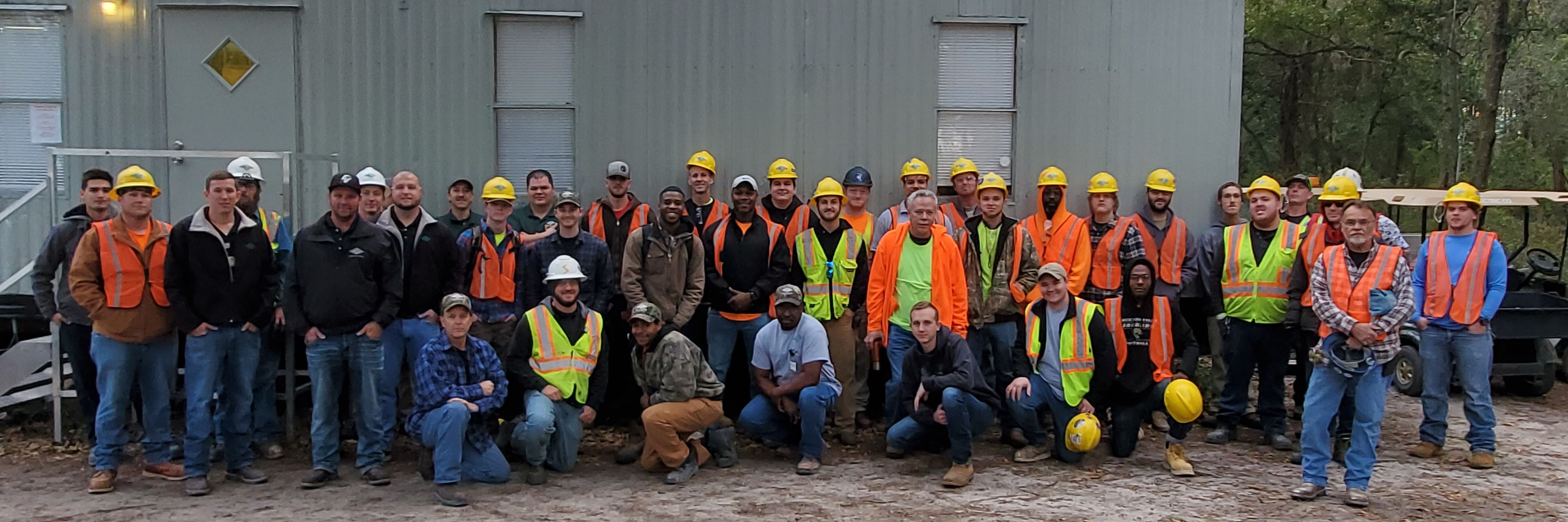



Welcome to IBEW 177
The Jacksonville Electricians
The International Brotherhood of Electrical Workers is an organization made up of nearly 750,00 men and women just like you, engaged in every type of employment. Their needs and goals are the same as yours, however, they have the personal strength, and human dignity that come from belonging to a world respected labor organization which helps it's members live better, freer, and fuller lives. IBEW members stand united in local unions in all 50 states, in Canada, Puerto Rico, and the Panama Canal Zone. The IBEW provides imaginative and responsible leadership, and has an outstanding reputation for being a progressive union. It is an important member of the AFL-CIO family of unions.
planetdetroit.org - Google's 1-gigawatt data center in Van Buren Township, Michigan won final site plan approval despite resident concerns over noise, water use and utility rate impacts.
insidernj.com - More than 100 New Jersey municipalities have now enacted bans or moratoriums on data center development.
govtech.com - Data centers have become a defining issue in Florida's governor's race, with candidates Byron Donalds and David Jolly staking out sharply different positions as polling shows broad voter opposition.
wpr.org - A legal settlement between Sierra Club, Midwest Environmental Advocates and the Wisconsin DNR requires a full statewide review of data centers' environmental impacts, stemming from a lawsuit over a $15 billion Port Washington project.
racinecountyeye.com - Report frames the current wave of US data center investment as the largest financial bet in the nation's history.
fastcompany.com - Startup Firma Power uses software to assemble portfolios of wind, solar and battery projects, helping data centers get online with clean power faster and cheaper than new gas plants.
- 1 of 287
- next ›